

Introduction
In today’s world, borrowing money has become a common practice for many people. Whether it’s for purchasing a home, financing education, or covering unexpected expenses, loans offer a way to access funds quickly. However, what many borrowers may not realize is that there are hidden costs associated with borrowing money. Understanding these cost calculation details is essential for making informed financial decisions and thereby avoiding common pitfalls that can lead to financial stress and strain later.
Cost of Borrowing Explained
When you borrow money from a lender, whether it’s a bank, credit union, or online lender, you agree to repay the amount borrowed plus interest over a specified period. The cost of borrowing refers to the total amount you pay back to the lender, including both the principal amount borrowed and the interest charges.
Factors Affecting the Cost of Borrowing
Several factors can influence the overall cost of borrowing:
Interest Rates:
The interest rate is the cost of borrowing money and is typically expressed as an annual percentage rate (APR). Higher interest rates mean higher costs over the life of the loan.
Loan Term
The loan repayment period significantly influences the overall cost of the loan. While longer loan terms may result in lower monthly payments, they often lead to higher overall costs due to accruing interest over a more extended period.
Fees & Charges:
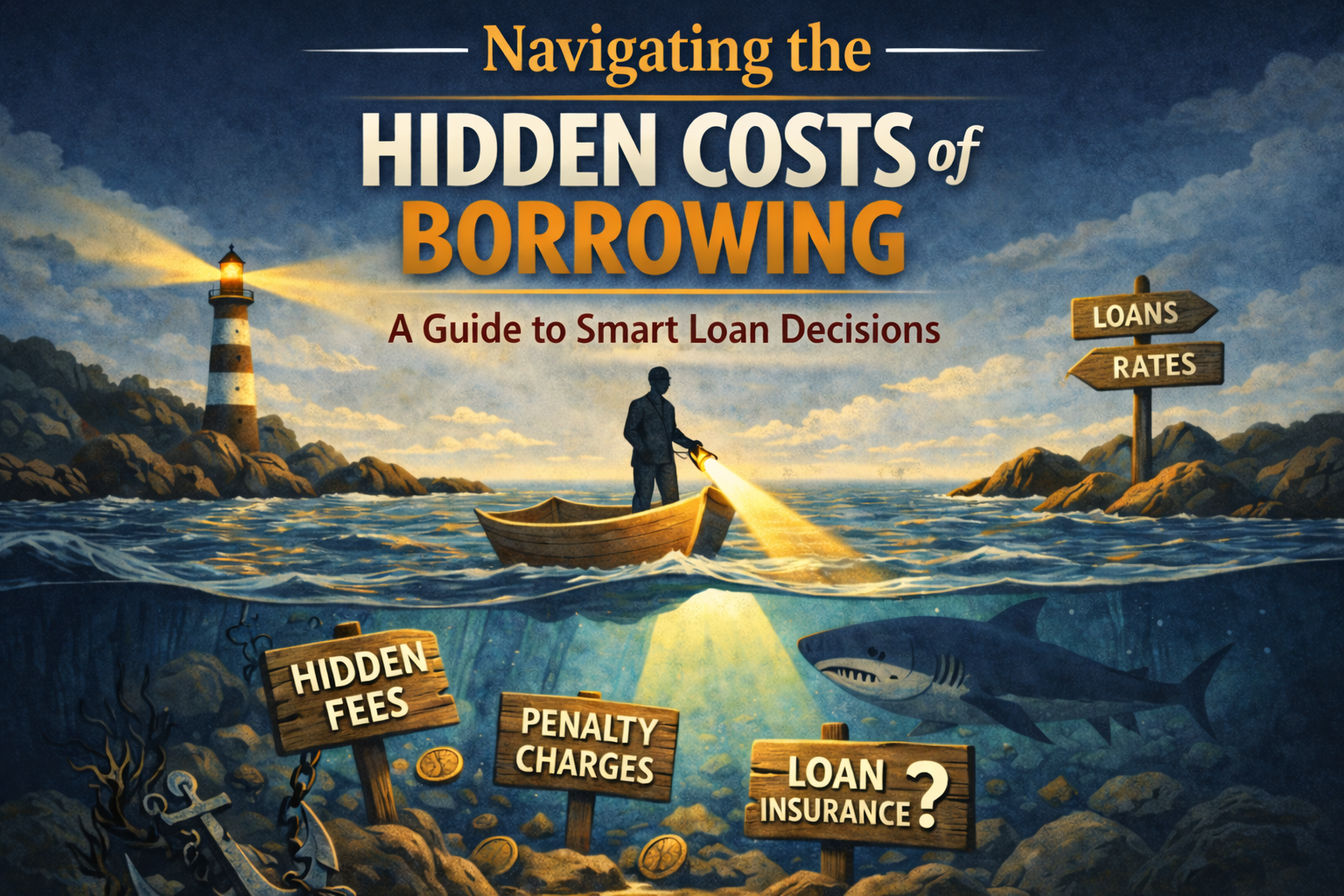
In addition to interest, lenders may impose various fees, such as origination fees, processing fees, and prepayment penalties. However, these fees can increase the cost of borrowing significantly and therefore should be considered carefully before availing a loan.
Avoiding Common Pitfalls
To avoid falling into financial traps when borrowing money, consider the following tips:
Shop Around
First and foremost, do not settle for the very first loan offer you receive. Shop around and compare interest rates, terms, and fees from multiple lenders to find the most affordable option.
Read the Fine Print
Before signing any loan agreement, carefully review the terms and conditions, including the interest rate, repayment schedule, and any additional fees. Also, make sure that you understand all the cost aspects associated with the loan.
Consider the Total Cost
If When evaluating loan options, focus on the total cost of borrowing rather than just the monthly payment. A lower monthly payment may seem attractive, but it could result in higher overall costs if the loan term is extended.
Avoid Borrowing More Than You Need
While it may be tempting to borrow extra money for non-essential purchases, only borrow what you need to avoid paying unnecessary interest charges.
Factor in Other Expenses
When you make a budget for loan repayments, do not forget to consider other expenses, like taxes, insurance, and maintenance costs, especially for those types of loans that are used to purchase assets like homes or cars.
Conclusion
On one hand, borrowing money can provide much-needed financial flexibility, on the other hand, it is essential to understand the true cost of borrowing that you may have to pay and avoid common pitfalls that can lead to financial hardships later. By carefully comparing loan options reading the fine print, and also considering the total cost of borrowing, you can make a well-informed decision that will support your financial well-being in the long run. Always remember, borrowing responsibly today can help you avoid mistakes that may cost you tomorrow.
Commonly asked questions
What are the hidden costs of borrowing?
The true cost of borrowing money is shaped by the loan category, repayment period, credit score, interest rate trends, and current economic conditions.
Interest Rates
The interest rate of a loan is the cost percentage that the borrower is liable to pay the lender, as compensation, for taking the risk of lending the money to the borrower. Interest rates are generally presented as an Annual Percentage Rate (APR).
Origination Fees
Some lenders can charge you with origination fees to cover the costs of processing the loan. Typically the origination fees are charged upfront while taking the loan. This can vary depending on the type of loan and also the lender.
Application Fees:
Some lenders may require borrowers to pay an application fee while applying for the loan. This fee helps compensate the lender for administrative and evaluation expenses related to your application. Typically, the application fee is non-refundable.