

Introduction
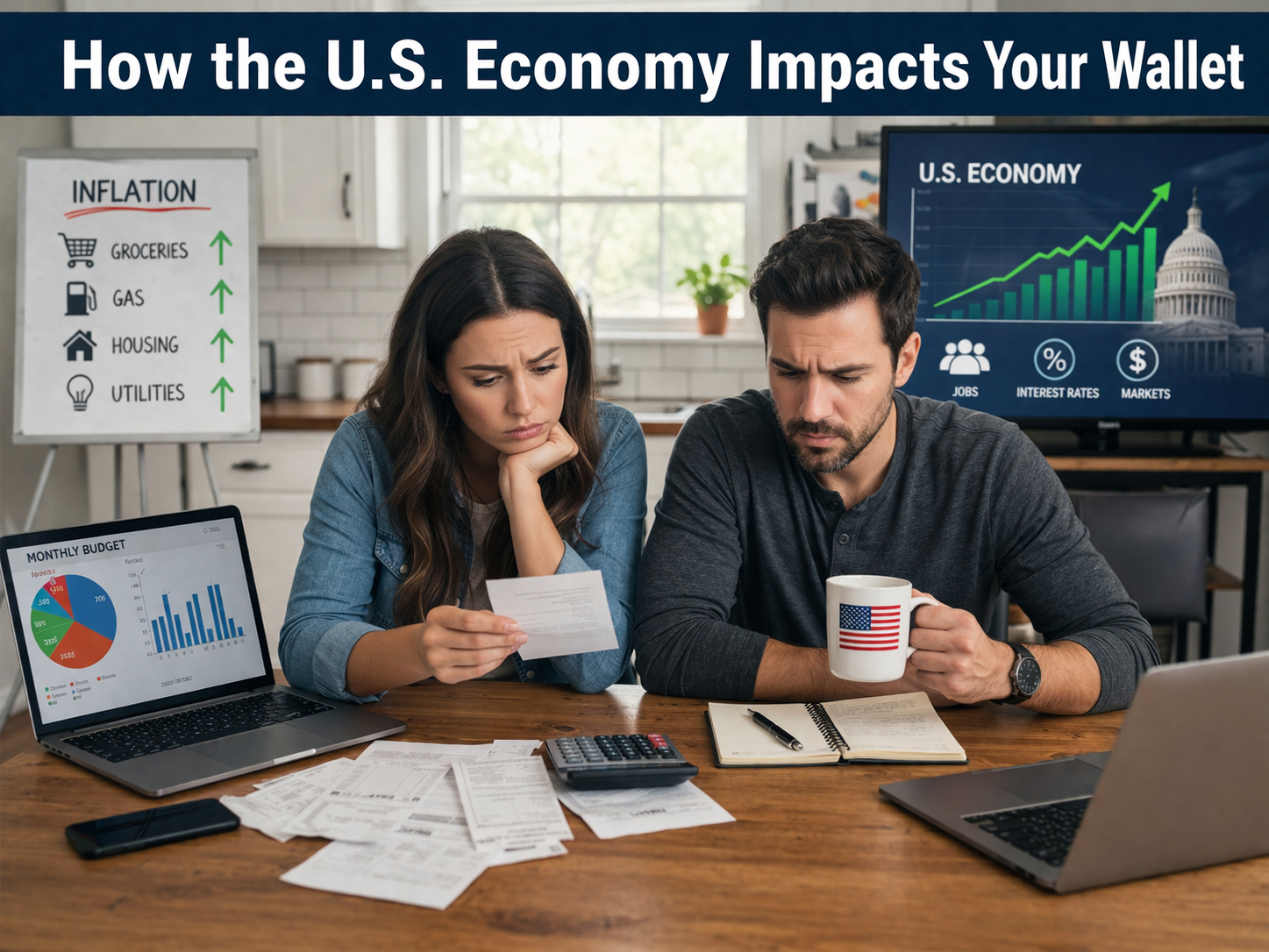
As we step further into, the economic landscape continues to evolve—with rising living costs, fluctuating interest rates, and growing financial uncertainty. Now more than ever, smart budgeting isn't just about saving a few dollars; it's about gaining control over your financial future.
Whether you're earning a steady paycheck, freelancing, or juggling multiple income streams, here are practical budgeting tips to help you manage your income effectively this year.
Inflation: The Silent Wallet Killer
Even though inflation has moderated compared to previous peaks, everyday expenses like groceries, healthcare, and housing remain higher than they were in the past.
Impact on your wallet
• You may still be paying significantly more for daily essentials.
• Your savings may gradually lose purchasing power when interest rates fail to match rising inflation.
What you can do
• Use high-yield savings accounts to maximize returns.
• Track monthly spending to control unnecessary expenses.
• Consider inflation-protected investments such as TIPS.
Interest Rates: Borrowing Costs Remain High
Interest rates are still elevated as part of efforts to stabilize the economy. Although it helps stabilize prices, it makes loans and credit more expensive for borrowers.
Impact on your wallet
• Credit card interest rates remain high.
• Mortgage and loan costs are more expensive.
• Monthly repayments can take a larger share of your income.
What you can do
• Prioritize paying off high-interest or variable-rate debt.
• Monitor opportunities to refinance if rates decrease.
• Improve your credit score to secure better loan terms.
Job Market: Strong but Changing
The job market remains resilient, but industries are evolving due to automation and new technologies. While some sectors face restructuring, others continue to grow rapidly.
Impact on your wallet
• Increased competition in certain professional sectors.
• Higher demand in skilled trades, healthcare, and tech roles.
• Wage growth may not always match rising living costs.
What you can do
• Upgrade your skills through certifications or online learning.
• Explore side income opportunities or freelancing.
• Negotiate salaries based on market trends and performance.
Housing and Real Estate Trends
The housing market remains competitive, with limited inventory and relatively high borrowing costs. Renting also continues to put pressure on household budgets.
Impact on your wallet
• Buying a home may feel less affordable.
• Rent can take a large portion of your monthly income.
• Investment opportunities are shifting to emerging locations.
What you can do
• Consider delaying large property purchases if conditions are unfavorable.
• Look for more affordable living areas.
• Explore real estate investment options like REITs.
Stock Market & Investment Opportunities
The financial markets continue to show resilience despite periods of volatility. Sectors like technology, clean energy, and healthcare offer long-term growth potential.
Impact on your wallet
• Investment portfolios may experience fluctuations.
• Low-risk investments such as bonds are currently providing consistent and reliable returns.
• Diversified investments tend to perform more consistently.
What you can do
• Build a diversified portfolio by investing across different asset classes.
• Rebalance your investments regularly.
• Keep your attention on long-term financial objectives rather than being influenced by short-term market fluctuations.
Taxes and Government Policy
Government regulations are constantly changing, providing advantages in certain sectors while imposing stricter rules in others
Impact on your wallet
• Changes in tax structures may affect take-home income.
• Incentives may be available for specific investments or purchases.
What you can do
• Take advantage of available tax deductions and credits.
• Contribute to retirement accounts to reduce taxable income.
• Seek professional advice to stay updated on policy changes.
Conclusion
The current U.S. economic environment presents both challenges and opportunities. While rising costs and interest rates can strain budgets, smart financial planning and informed decision-making can help you stay in control.
By managing expenses, investing wisely, and staying adaptable, you can protect your finances and build long-term stability—no matter how the economy shifts.