
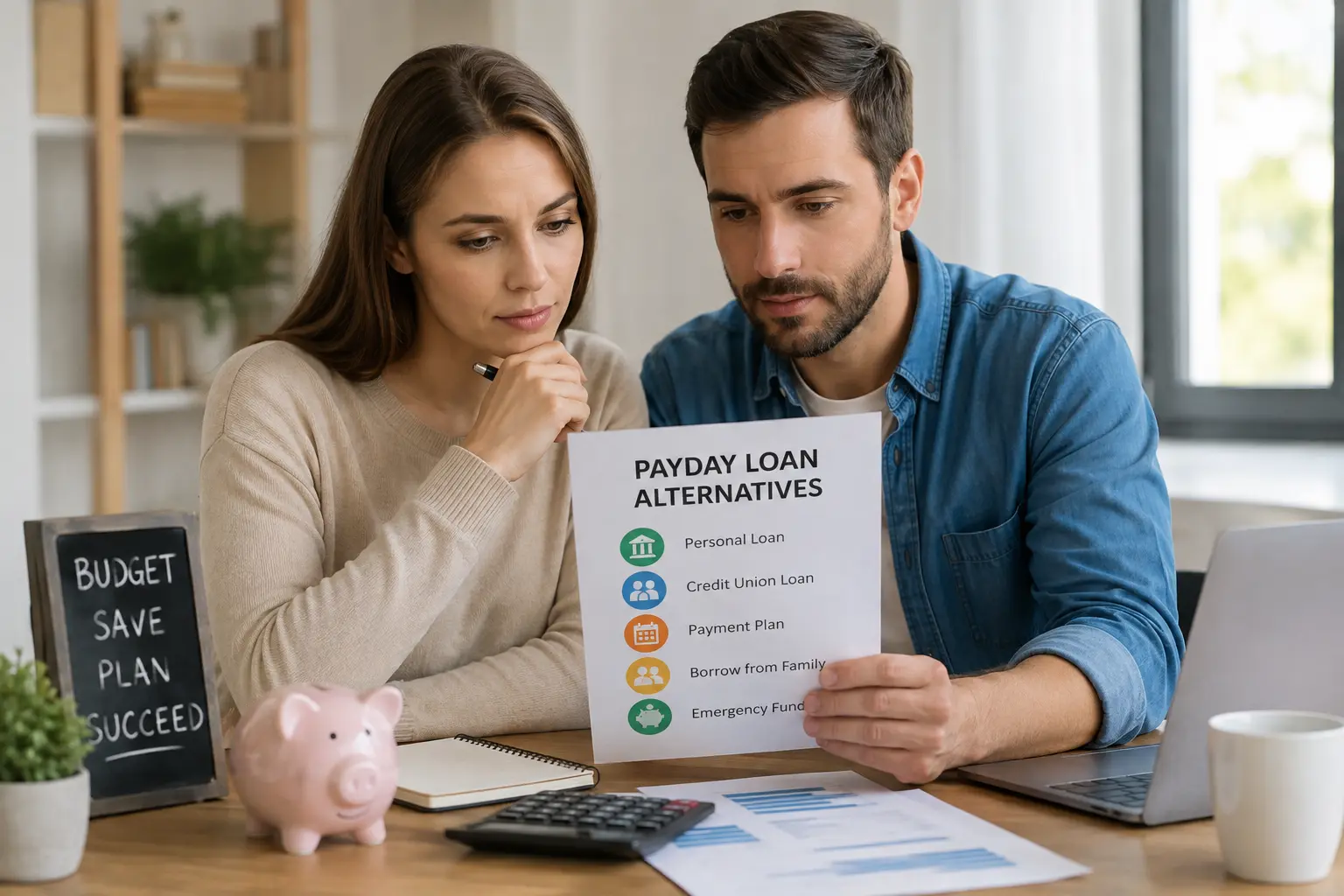

When an unexpected expense comes up, finding money quickly can feel stressful. Whether it is an emergency bill, rent, medical expense, car repair, or another urgent cost, a payday loan may seem like an easy solution. Payday loans can come with high costs, tight repayment schedules, and additional fees when you are unable to pay on time.
Fortunately, there are several payday loan alternatives that may help you handle a financial emergency while potentially saving money. Before choosing any borrowing option, compare the total cost, repayment terms, and fees.
What Is a Payday Loan?
A payday loan is generally a short-term, high-cost loan designed to be repaid around your next payday. Many payday loans are for relatively small amounts and may have repayment periods of only a few weeks.
The biggest concern is the cost. If you cannot repay the loan when it is due, you may face additional fees or be offered a rollover or renewal. This can make it harder to get out of debt because you may continue paying fees while still owing the original amount.
For this reason, it is worth exploring payday loan alternatives before applying.
1. Consider a Personal Loan
A personal loan from a bank, credit union, or reputable online lender may be a better option than a payday loan, depending on your credit and financial situation.
Personal loans can offer longer repayment periods, allowing you to spread payments over several months instead of having to repay everything within a few weeks. However, interest rates and fees vary, so compare the APR, monthly payment, origination fees, and total repayment amount before accepting an offer.
If you have good credit, you may qualify for more competitive rates.
2. Look Into Credit Union Loans
Credit unions can be another useful source of emergency financing. Some federal credit unions offer Payday Alternative Loans (PALs), which are specifically designed to provide smaller-dollar borrowing options that can be less expensive than traditional payday loans.
If you belong to a credit union, ask about available small-dollar loans, eligibility requirements, interest rates, and repayment terms.
3. Ask Creditors for More Time
If you need money to pay a utility bill, rent, medical bill, or other expense, contacting the company or creditor may be worth trying before borrowing.
Some creditors may offer a payment extension, modified payment schedule, or hardship arrangement. The terms vary, and an extension could involve additional fees, so ask about the total cost before agreeing.
Sometimes, getting a few extra weeks to pay a bill can eliminate the need for a high-cost loan altogether.
4. Borrow From Family or Friends
Asking family members or close friends for temporary financial assistance may feel uncomfortable, but it can sometimes be one of the lower-cost alternatives to payday loans.
If you choose this option, make the arrangement clear. Discuss how much you will borrow, when you expect to repay it, and whether any interest will be involved. Putting the agreement in writing can help prevent misunderstandings.
5. Use an Emergency Fund
An emergency fund is one of the best ways to avoid expensive short-term borrowing. Regularly adding to your savings can help create a financial cushion for unexpected expenses.
If you do not currently have an emergency fund, start with an amount that fits your budget. Once you have enough to cover a small emergency, gradually work toward saving enough for several months of essential expenses.
6. Consider a Credit Card Carefully
If you already have a credit card with available credit, using it for an emergency may be another option. Depending on your card's interest rate and repayment schedule, it could cost less than a payday loan.
However, credit card debt can also become expensive if you only make minimum payments. Check your interest rate, fees, and expected repayment cost before using this option.
7. Talk to a Credit Counselor
While these loIf your financial problem involves more than one bill or debt, consider speaking with a reputable credit counselor. A counselor may help you review your budget, understand your debt, and explore possible repayment strategies.
The FTC notes that nonprofit organizations may offer credit counseling for low or no cost, depending on the organization and your circumstances.ans may provide quick cash, they also come with significant drawbacks.
How to Choose the Right Payday Loan Alternative
Before borrowing money, ask yourself:
* How much money do I actually need?
* How quickly can I realistically repay it?
* How much will you have to repay in total after adding interest and fees?
* Does the repayment amount fit comfortably within my current financial budget?
* What happens if I miss a payment?
* Is there a lower-cost option available?
Comparing the APR and total repayment cost can help you understand which option is genuinely more affordable. The FTC recommends reviewing the full cost of borrowing before signing a loan agreement.
Final Thoughts
A financial emergency can make a payday loan look like the fastest answer, but fast access to money does not always mean affordable borrowing. Payday loan alternatives such as personal loans, credit union loans, payment extensions, help from family or friends, emergency savings, and credit counseling may provide safer or less expensive options depending on your situation.
At All Financial Help, our goal is to help you understand your financial choices so you can make informed decisions. Before taking any short-term loan, compare your options carefully and make sure you understand the complete cost and repayment requirements.
When possible, choosing an alternative to a high-cost payday loan could help you save money today and avoid a larger financial burden tomorrow.